Traveling abroad has become easier than ever before, but obtaining a travel visa remains one of the biggest challenges for many Africans. Whether you want to travel for tourism, business, family visits, medical treatment, or short-term studies, understanding the visa application process can significantly improve your chances of getting approved.
Every year, millions of people apply for travel visas to countries such as the United States, Canada, the United Kingdom, Australia, Germany, France, Italy, the United Arab Emirates, Japan, South Korea, and many others. While each country has its own immigration rules, the overall application process is often very similar.
Unfortunately, many African applicants receive visa refusals because of avoidable mistakes. Some submit incomplete documents, provide inaccurate information, fail to demonstrate strong ties to their home country, or rely on fake travel agents who promise guaranteed visas. These errors can delay travel plans, result in financial losses, or even lead to long-term visa complications.
The good news is that applying for a travel visa does not have to be complicated. With proper preparation, honest documentation, and a clear understanding of what immigration officers expect, you can greatly improve your chances of success.
This comprehensive guide explains everything Africans need to know about applying for a travel visa in 2026. From choosing the right visa type and preparing your documents to attending your interview and avoiding common mistakes, this article will walk you through each step of the process.
What Is a Travel Visa?
A travel visa is an official authorization that allows a foreign national to enter another country for a specific purpose and for a limited period.
Depending on the country you are visiting, the visa may be issued as:
- A sticker placed inside your passport
- An electronic visa (eVisa)
- A digital travel authorization
- A visa issued upon arrival in eligible destinations
Receiving a visa does not automatically guarantee entry. Immigration officers at the border still have the authority to determine whether you meet the conditions for admission.
READ: Looking for Truck Driver Jobs in Canada? Visa Sponsorship, Salaries, and How to Apply
Common Reasons Africans Apply for Travel Visas
People travel internationally for many different reasons. The purpose of your trip determines the type of visa you should apply for.
Common reasons include:
- Tourism and holidays
- Visiting family and friends
- Business meetings and conferences
- Medical treatment
- Religious pilgrimages
- Short-term study programs
- Cultural exchange
- Sporting events
- International exhibitions
Always apply for the visa that matches your actual reason for traveling.
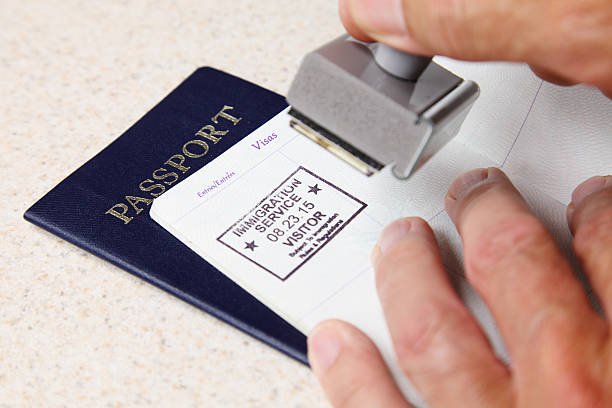
Step 1: Determine the Type of Visa You Need
The first and most important step is choosing the correct visa category.
Examples include:
Tourist Visa
Issued to people traveling for sightseeing, vacations, or leisure.
Business Visa
Suitable for attending meetings, conferences, exhibitions, or business negotiations.
Family Visit Visa
Allows travelers to visit relatives or friends living abroad.
Medical Visa
Issued to applicants traveling for medical treatment.
Student Visa
Required for people enrolling in educational programs abroad.
Choosing the wrong visa category can result in delays or refusal.
Step 2: Check Whether You Need a Visa
Not every country requires a visa for every nationality.
Before making travel plans, confirm:
- Whether your passport requires a visa
- Whether you qualify for an eVisa
- Whether visa-free travel is available
- Whether you can obtain a visa on arrival
Checking these requirements early helps you avoid unnecessary expenses.
Step 3: Verify Your Passport
Your passport is one of the most important travel documents.
Before applying, ensure that:
- It is valid for the required period (many countries require at least six months of validity beyond your planned stay).
- It has enough blank pages for visas and entry stamps.
- It is in good condition and not damaged.
Renew your passport if necessary before beginning the application process.
Step 4: Gather the Required Documents
Although requirements vary by country, most travel visa applications require several supporting documents.
Common documents include:
- Valid passport
- Completed visa application form
- Recent passport-sized photographs
- Travel itinerary
- Hotel reservation or proof of accommodation
- Flight reservation (if requested)
- Bank statements
- Proof of employment or business ownership
- Invitation letter (if applicable)
- Travel insurance (where required)
Some countries may request additional documents depending on the purpose of your visit.
Step 5: Complete the Visa Application Form
Most countries allow applicants to complete visa applications online, while others still use paper forms.
When completing your application:
- Answer every question honestly.
- Ensure names match your passport exactly.
- Double-check passport numbers and dates.
- Avoid spelling mistakes.
- Review your answers before submitting.
Even small errors can delay processing.
Step 6: Pay the Visa Application Fee
Most travel visas require a non-refundable application fee.
The amount varies depending on:
- The country
- The visa category
- The length of stay
- Whether expedited processing is requested
Keep your payment receipt because you may need to present it later.
Step 7: Schedule an Appointment
Many embassies and visa application centres require applicants to book appointments before submitting documents.
Appointments may include:
- Document submission
- Biometrics (fingerprints and photographs)
- Visa interviews
Book your appointment early, especially during busy travel seasons.
Step 8: Attend Your Biometrics Appointment
Many countries now collect biometric information.
This usually includes:
- Fingerprints
- Digital photograph
- Signature
Biometric data helps verify your identity and strengthen border security.
Step 9: Attend the Visa Interview
Not every country requires an interview, but when one is required, preparation is essential.
Immigration officers may ask questions such as:
- Why are you traveling?
- How long will you stay?
- Who is paying for your trip?
- Where will you stay?
- What do you do for work?
- Do you plan to return home?
Answer confidently, honestly, and clearly.
Step 10: Wait for Processing
Processing times vary significantly.
Some visas are approved within a few days, while others take several weeks or even months.
Avoid making irreversible travel arrangements until you receive your visa.
Step 11: Receive Your Decision
If your visa is approved:
- Check your personal details.
- Confirm the visa validity dates.
- Review the number of permitted entries.
- Understand the conditions attached to your visa.
If your application is refused, read the refusal notice carefully. Some countries allow applicants to appeal or submit a new application after addressing the reasons for refusal.
READ: Secure Ultimate Guide to Farm Worker Jobs in the United States with Visa Sponsorship
How to Improve Your Chances of Approval
Although no one can guarantee visa approval, these practical steps can strengthen your application:
- Submit complete and accurate documents.
- Demonstrate that you have sufficient funds for your trip.
- Show strong ties to your home country, such as employment, family responsibilities, property, or ongoing studies.
- Explain the purpose of your visit clearly.
- Apply well before your intended travel date.
- Ensure your travel plans are realistic and consistent.
Honesty and thorough preparation are key.
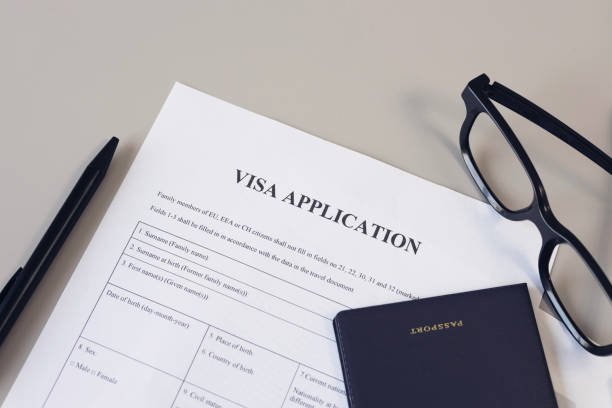
Common Reasons Travel Visas Are Refused
Understanding why visas are refused can help you avoid similar mistakes.
Common reasons include:
- Incomplete documentation
- Insufficient financial evidence
- Inconsistent information
- Doubts about the purpose of travel
- Weak evidence that the applicant will return home
- Previous immigration violations
- Fake or altered documents
Never submit fraudulent documents. Doing so can result in long-term bans from future applications.
Tips for First-Time African Travelers
If this is your first international trip, keep these tips in mind:
- Apply early.
- Keep digital and printed copies of all important documents.
- Purchase travel insurance if required.
- Research the customs and laws of your destination.
- Be truthful throughout the application process.
- Keep emergency contact information with you while traveling.
Proper planning reduces stress and helps ensure a smoother journey.
Frequently Asked Questions
Can I apply for a visa without a passport?
No. A valid passport is required for almost every travel visa application.
Can I book my flight before my visa is approved?
Some countries only require a flight reservation rather than a purchased ticket. Unless the embassy specifically instructs otherwise, many travelers wait until the visa is approved before buying non-refundable tickets.
How much money do I need in my bank account?
There is no universal amount. The funds should reasonably cover your travel expenses and be consistent with the length and purpose of your trip.
Can someone else sponsor my trip?
Yes. In many cases, a family member, friend, or organization may sponsor your visit. You may need to provide supporting documents such as an invitation letter, proof of the sponsor’s financial ability, and evidence of your relationship, depending on the destination country’s requirements.
What happens if my visa application is refused?
A refusal does not always prevent you from applying again. Review the reasons carefully, address any issues, and submit a stronger application if you remain eligible.
Common Mistakes Africans Should Avoid
Many applicants unintentionally reduce their chances of approval. Avoid these common errors:
- Using fake travel agents or fraudulent consultants.
- Submitting false bank statements or forged documents.
- Choosing the wrong visa category.
- Waiting until the last minute to apply.
- Providing inconsistent information.
- Ignoring embassy instructions.
- Assuming visa approval is guaranteed.
A careful, honest application is always your best strategy.
Final Checklist Before You Submit Your Application
Before submitting your visa application, make sure you have:
- A valid passport.
- A completed application form.
- Recent passport photographs.
- Proof of accommodation.
- Proof of sufficient funds.
- Supporting documents for your travel purpose.
- Paid the required visa fee.
- Scheduled any necessary appointments.
- Reviewed your application for errors.
Taking a few extra minutes to double-check everything can save you weeks of delays.
Conclusion
Applying for a travel visa may seem intimidating, especially if it is your first time, but the process becomes much easier when you understand each step. By selecting the correct visa category, preparing accurate documents, completing your application carefully, and demonstrating that you meet the destination country’s requirements, you can significantly improve your chances of success.
For Africans planning to travel abroad in 2026, preparation is the key to a successful application. Start early, rely only on official information and legitimate visa application channels, and avoid shortcuts that promise guaranteed approvals. No genuine agent or consultant can guarantee that a visa will be issued, because the final decision always rests with the immigration authorities of the country you are visiting.
Whether you dream of exploring new destinations, attending business meetings, visiting loved ones, or receiving medical treatment overseas, a well-prepared visa application is the first step toward making that journey a reality. With patience, honesty, and careful planning, you can navigate the visa process confidently and increase your chances of receiving the approval you need for your next international adventure.