The United States remains one of the world’s most attractive destinations for people seeking better employment opportunities and a higher standard of living. Every year, thousands of Africans leave countries such as Nigeria, Ghana, Kenya, Uganda, South Africa, Zimbabwe, Cameroon, Ethiopia, Rwanda, and Tanzania to pursue careers and build brighter futures in America.
While many people associate the U.S. job market with highly skilled professions like medicine, engineering, and information technology, there are also thousands of opportunities in occupations that require little or no formal education. These jobs are commonly referred to as entry-level or lower-skilled jobs, and they are essential to the American economy. Industries such as hospitality, agriculture, warehousing, food processing, construction, manufacturing, cleaning services, and caregiving regularly recruit workers to fill labour shortages.
For many Africans, these positions provide an opportunity to gain international work experience, earn competitive wages, and improve their financial situation. Some employers may also hire foreign workers through lawful employment-based visa programs when they cannot find enough eligible U.S. workers.
This comprehensive guide explains the most common entry-level job sectors in the United States, expected salaries, employer sponsorship opportunities, and the general employment visa process.
READ: The Best Places to Start a New Life in Canada: Jobs, Housing, and Visa Opportunities
Why Consider Entry-Level Jobs in the United States?
Many people overlook entry-level jobs because they believe only professional careers offer good opportunities. However, these positions provide several advantages.
First, many jobs require minimal formal qualifications, making them accessible to a wider range of applicants.
Second, employers often provide on-the-job training, allowing employees to gain valuable experience.
Third, workers can develop practical skills, improve their English communication, and build a strong employment history that may open doors to higher-paying positions in the future.
Finally, many industries continue to experience labour shortages, creating opportunities for motivated workers.
Popular Entry-Level Job Sectors
1. Hotel and Hospitality Jobs
The hospitality industry remains one of the largest employers of entry-level workers.
Common positions include:
- Housekeeper
- Hotel Cleaner
- Laundry Attendant
- Kitchen Assistant
- Dishwasher
- Food Service Worker
- Room Attendant
- Porter
Average Salary
$30,000–$45,000 per year
Some employers may also provide meals, uniforms, or other workplace benefits.
2. Warehouse Jobs
Warehouses play an important role in supplying products across the United States.
Common positions include:
- Warehouse Associate
- Picker and Packer
- Inventory Assistant
- Shipping Clerk
- Loading Assistant
Average Salary
$35,000–$55,000 per year
Employees may also receive overtime pay during busy periods.
3. Agriculture and Farm Work
Agriculture continues to rely on seasonal workers in many parts of the country.
Typical jobs include:
- Fruit Picker
- Vegetable Harvester
- Greenhouse Worker
- Livestock Assistant
- Farm Labourer
Average Salary
$28,000–$45,000 per year
Seasonal agricultural workers are commonly employed through specific temporary visa programs.
4. Food Processing Jobs
Food production facilities employ thousands of workers.
Typical positions include:
- Packing Assistant
- Production Worker
- Meat Processing Worker
- Food Packaging Operator
- Quality Inspection Assistant
Average Salary
$32,000–$50,000 per year
Many factories offer overtime opportunities that increase earnings.
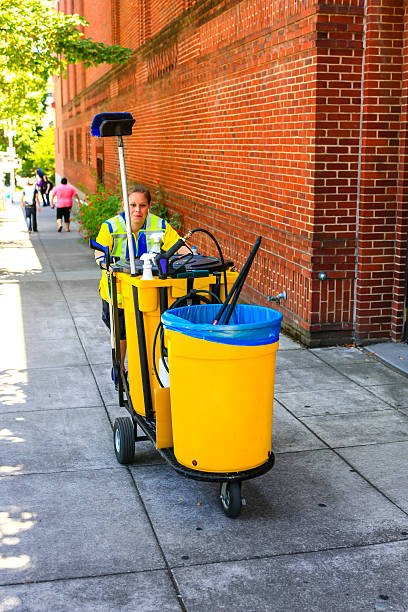
5. Cleaning and Janitorial Services
Cleaning services remain in demand across offices, schools, hospitals, hotels, and shopping centres.
Common jobs include:
- Office Cleaner
- Janitor
- Building Cleaner
- Hospital Cleaner
- School Cleaner
Average Salary
$30,000–$45,000 per year
6. Construction Labour
Construction companies frequently hire entry-level workers.
Typical positions include:
- Construction Labourer
- Site Helper
- Material Handler
- Demolition Worker
- Road Maintenance Worker
Average Salary
$40,000–$65,000 per year
Physically demanding roles may also include overtime pay.
7. Caregiving and Personal Support
As the U.S. population ages, demand continues to grow for caregivers and personal support workers.
Common responsibilities include:
- Assisting older adults with daily activities
- Preparing meals
- Providing companionship
- Supporting individuals with disabilities
Average Salary
$32,000–$50,000 per year
Some caregiving roles require training or certification depending on state laws.
8. Restaurant and Fast Food Jobs
Restaurants regularly recruit entry-level employees.
Common positions include:
- Cashier
- Kitchen Helper
- Cook Assistant
- Dishwasher
- Food Counter Attendant
- Delivery Assistant
Average Salary
$28,000–$45,000 per year
Tips may increase earnings for certain customer-facing positions.
9. Retail Jobs
Retail businesses employ large numbers of workers throughout the year.
Typical positions include:
- Sales Assistant
- Shelf Stocker
- Store Cleaner
- Cashier
- Customer Service Assistant
Average Salary
$30,000–$48,000 per year
10. Landscaping and Grounds Maintenance
Landscaping companies hire workers to maintain parks, gardens, and commercial properties.
Typical duties include:
- Lawn Maintenance
- Tree Trimming
- Garden Care
- Snow Removal (seasonal)
- Irrigation Assistance
Average Salary
$32,000–$50,000 per year
READ: Best U.S. Cities for New Immigrants in 2026: Jobs, Visa Sponsorship, and Affordable Living
States with Strong Employment Opportunities
Several states consistently offer strong demand for entry-level workers.
These include:
- Texas
- Florida
- Georgia
- North Carolina
- Ohio
- Arizona
- Tennessee
- California
- Illinois
- Pennsylvania
Employment opportunities vary depending on the industry, local economy, and season.
Employer Sponsorship Explained
Many people believe the U.S. government or individual cities sponsor foreign workers.
In reality, employers—not cities—may sponsor eligible foreign workers under specific immigration programs.
Employer sponsorship generally involves:
- Offering a qualifying job
- Filing the required immigration paperwork where applicable
- Supporting the employee’s work authorization process
Not every employer sponsors foreign workers, so applicants should confirm this before accepting an offer.

Employment Visa Options
The United States does not have a general “entry-level work visa.” Instead, eligibility depends on the type of job and the applicable immigration category.
H-2A Visa
The H-2A program allows eligible U.S. agricultural employers to hire temporary foreign workers when domestic workers are unavailable.
Common occupations include:
- Farm Workers
- Fruit Pickers
- Vegetable Harvesters
- Livestock Workers
Many employers also provide housing or housing assistance as required by program rules.
H-2B Visa
The H-2B program allows eligible employers to hire temporary foreign workers for certain non-agricultural jobs.
Industries commonly using this program include:
- Hospitality
- Landscaping
- Tourism
- Seasonal Construction
- Seafood Processing
The availability of H-2B jobs depends on annual visa limits and employer demand.
EB-3 Other Workers Category
Some lower-skilled permanent positions may qualify under the EB-3 Other Workers category. This pathway has specific legal requirements, may involve lengthy processing, and is available only when employers meet immigration requirements.
Applicants should not assume every entry-level job qualifies under this category.
General Employment Visa Process
Although procedures differ depending on the visa category, the process generally includes the following steps.
Step 1: Search for Legitimate Employers
Focus on companies with experience hiring international workers.
Prepare a professional résumé highlighting your work experience, reliability, and practical skills.
Step 2: Submit Applications
Apply only for positions that match your qualifications and experience.
Tailor your application for each employer.
Step 3: Attend Interviews
Many employers conduct interviews online.
During the interview:
- Speak clearly.
- Dress professionally.
- Demonstrate a willingness to learn.
- Explain your previous work experience honestly.
Step 4: Receive a Job Offer
If selected, the employer will provide an employment offer outlining:
- Salary
- Working hours
- Job responsibilities
- Benefits
- Employment conditions
Read the contract carefully before accepting.
Step 5: Employer Begins the Immigration Process
Where sponsorship is available, the employer files the necessary paperwork for the appropriate employment-based visa.
Step 6: Apply for Your Visa
Depending on the visa category, you may need to:
- Complete visa application forms
- Submit supporting documents
- Attend a visa interview
- Provide biometrics if requested
Step 7: Travel to the United States
Once your visa is approved, you can make travel arrangements and prepare to begin work.
Documents You May Need
Although requirements vary, common documents include:
- Valid passport
- Passport-sized photographs
- Updated résumé
- Employment offer letter
- Educational certificates (if applicable)
- Police clearance certificate (if requested)
- Medical examination (where required)
- Supporting immigration forms
Always check the latest requirements for your specific visa category.
Tips for Africans Seeking Jobs in the U.S.
If you want to improve your chances of finding employment, consider these practical tips:
- Create a professional résumé using a U.S.-style format.
- Improve your English communication skills.
- Highlight practical work experience, even if it was gained locally.
- Obtain relevant certifications where possible, such as food safety or workplace safety training.
- Apply consistently rather than waiting for a single opportunity.
- Research employers before accepting job offers.
- Be cautious of anyone promising guaranteed visas or jobs in exchange for large upfront payments.
Common Mistakes to Avoid
Many applicants reduce their chances of success by making avoidable mistakes.
Avoid:
- Using fake employment documents.
- Paying unofficial recruiters large sums of money.
- Applying for jobs without reading the requirements.
- Providing false information during interviews or on immigration forms.
- Assuming every employer offers visa sponsorship.
Always verify information through official government sources and communicate directly with employers whenever possible.
Frequently Asked Questions
Can I get an entry-level job in the U.S. without experience?
Yes. Many hospitality, warehouse, cleaning, agriculture, and food service positions provide on-the-job training. However, employers may still prefer candidates with a good work ethic and some related experience.
Do all entry-level jobs come with visa sponsorship?
No. Only some employers participate in employment-based visa programs, and eligibility depends on the type of job and immigration rules.
Can I apply on a tourist visa and start working?
No. A tourist visa does not authorize employment in the United States. You must have the appropriate work authorization before beginning work.
Is English required?
Basic English communication is important for most jobs and can improve your chances of being hired and succeeding in the workplace.
Conclusion
Entry-level jobs in the United States continue to provide valuable opportunities for Africans seeking international work experience, financial stability, and career growth. Industries such as hospitality, agriculture, warehousing, food processing, construction, retail, cleaning services, and caregiving regularly require reliable workers, and some employers may hire foreign nationals through lawful employment-based visa programs.
Success begins with careful planning. Research employers, prepare a strong résumé, improve your communication skills, and understand the visa pathway that applies to your situation. Most importantly, rely on legitimate employers and official immigration information, and avoid anyone who promises guaranteed jobs or visas for a fee.
With determination, preparation, and realistic expectations, an entry-level job can be the first step toward building a successful career and a brighter future in the United States.