Japan has long been recognized as one of the world’s most advanced economies, offering excellent employment opportunities, modern infrastructure, and a high standard of living. While many Africans associate Japan with careers in engineering, technology, manufacturing, and education, there is a growing demand for customer service professionals, including receptionists, front desk officers, guest relations staff, and administrative support workers.
As Japan continues to attract international tourists, foreign investors, international students, and global businesses, employers increasingly seek workers who can communicate with customers from different countries. Consequently, receptionists with strong communication skills and customer service experience are becoming valuable assets in various industries.
For Africans seeking employment abroad, receptionist jobs in Japan can provide a unique opportunity to gain international work experience, earn competitive salaries, and potentially build a long-term career in one of Asia’s most developed nations.
Moreover, some employers are willing to sponsor foreign workers when they possess the language skills, customer service abilities, and qualifications needed for the role. Although competition can be strong, the growing internationalization of Japanese businesses is creating opportunities that did not exist a decade ago.
However, before applying for receptionist jobs in Japan, it is important to understand the available opportunities, salary expectations, sponsorship options, visa requirements, and the realities of living and working in Japan.
This comprehensive guide explains everything Africans need to know about securing receptionist jobs in Japan with visa sponsorship.
Why Japan Needs Foreign Receptionists
Japan faces several labour market challenges.
First, the country’s population is aging rapidly. Many experienced workers are retiring, leaving employers struggling to fill vacancies.
Second, Japan’s tourism industry has expanded significantly in recent years. Hotels, resorts, airports, and tourism-related businesses require multilingual staff who can assist international visitors.
Third, many international companies have established offices in Japan and require employees who can communicate effectively with overseas clients.
Furthermore, Japanese businesses increasingly recognize the importance of diversity in serving global customers.
As a result, employers often seek foreign workers who can speak English and other international languages alongside Japanese.
For Africans with strong communication skills, this trend presents new opportunities in customer-facing roles.
READ: How Africans Can Get Construction Jobs in New Zealand with Visa Sponsorship
Why Africans Should Consider Receptionist Jobs in Japan
Many Africans possess qualities that employers value in receptionist positions.
These include:
- Strong communication skills
- Customer service experience
- Adaptability
- Multilingual abilities
- Professionalism
In addition, Japan offers several benefits.
Competitive Salaries
Receptionists in Japan often earn more than similar positions in many African countries.
International Work Experience
Working in Japan can significantly strengthen your résumé and future career prospects.
Career Advancement Opportunities
Many receptionists eventually move into:
- Office administration
- Human resources
- Customer relations management
- Hospitality management
- Corporate support roles
Safe Environment
Japan consistently ranks among the safest countries in the world.
High Quality of Life
Workers enjoy:
- Reliable transportation
- Modern infrastructure
- Excellent healthcare
- Clean cities
- Efficient public services

Industries Hiring Receptionists in Japan
Receptionists are employed across various sectors.
1. Hotels and Hospitality
The hospitality sector remains one of the largest employers of receptionists.
Common Positions
- Hotel Receptionist
- Front Desk Officer
- Guest Relations Assistant
- Concierge Support Staff
- Reservation Assistant
Responsibilities
Receptionists typically:
- Welcome guests
- Handle check-ins and check-outs
- Answer inquiries
- Manage reservations
- Provide customer support
Average Salary
¥2,500,000 – ¥4,000,000 per year
Luxury hotels often offer higher salaries.
2. Corporate Offices
Many Japanese and international companies employ receptionists.
Duties
- Greeting visitors
- Managing appointments
- Answering telephone calls
- Handling correspondence
- Supporting office administration
Average Salary
¥2,800,000 – ¥4,500,000 per year
Corporate receptionists often enjoy stable schedules and professional working environments.
3. Healthcare Facilities
Hospitals and clinics frequently require reception staff.
Responsibilities
- Patient registration
- Appointment scheduling
- Administrative support
- Customer service
Average Salary
¥2,500,000 – ¥4,200,000 per year
4. Educational Institutions
Universities, language schools, and international schools employ front office staff.
Common Tasks
- Assisting students
- Managing inquiries
- Coordinating appointments
- Administrative support
Average Salary
¥2,800,000 – ¥4,500,000 per year
5. Tourism and Travel Companies
Travel agencies and tourism organizations require receptionists who can assist international visitors.
Responsibilities
- Customer service
- Booking support
- Information assistance
- Travel coordination
Average Salary
¥2,700,000 – ¥4,300,000 per year
Skills Required for Receptionist Jobs
Employers typically seek candidates with several key skills.
Communication Skills
Receptionists serve as the first point of contact for customers.
Therefore, excellent verbal and written communication skills are essential.
Customer Service Skills
Providing professional and friendly service is critical.
Organizational Skills
Receptionists often manage schedules, appointments, and administrative tasks.
Computer Literacy
Knowledge of:
- Microsoft Office
- Email systems
- Booking software
- Office management tools
is often required.
Language Skills
Language ability significantly impacts employment opportunities.
Is Japanese Language Required?
This is one of the most common questions among African job seekers.
The answer depends on the employer.
International Companies
Some multinational organizations operate primarily in English.
In these environments, strong English skills may be sufficient.
Hotels Serving International Guests
Certain hotels prioritize multilingual staff.
English-speaking receptionists may be highly valued.
Traditional Japanese Companies
Many local businesses require Japanese language proficiency.
Therefore, learning Japanese can significantly increase your employment prospects.
Recommended Japanese Language Levels
JLPT N5
Basic communication skills.
JLPT N4
Elementary conversation ability.
JLPT N3
Intermediate level suitable for many customer-facing positions.
JLPT N2
Advanced professional communication.
Most employers prefer candidates with at least N3-level proficiency.
Visa Sponsorship Opportunities
Many Africans wonder whether receptionist jobs can qualify for sponsorship.
The answer is yes, but sponsorship depends on several factors.
Employers must demonstrate that:
- The role is legitimate.
- The applicant possesses relevant qualifications.
- Immigration requirements are satisfied.
Receptionist positions connected to international business, hospitality, tourism, or specialized administrative work may qualify for sponsorship.
Common Visa Categories
Engineer/Specialist in Humanities/International Services Visa
This visa is frequently used for administrative, customer service, and international relations positions.
Receptionists working in international environments often qualify under this category.
Typical Requirements
- Relevant degree or equivalent experience
- Job offer from a Japanese employer
- Sponsorship by the employer
This is the most common visa pathway for foreign receptionists.
Working Visa Through International Services
Employees involved in:
- International communication
- Foreign customer support
- Multilingual services
may qualify under immigration categories designed for international business activities.
READ: Start a New Life in Sweden: Unskilled Jobs, Competitive Salaries, and Work Visa Opportunities
Step-by-Step Process for Securing Receptionist Jobs in Japan
Step 1: Improve Your Qualifications
Although some positions accept candidates with limited experience, employers prefer applicants who possess:
- Customer service experience
- Administrative experience
- Hospitality experience
- Language skills
Obtaining certifications can strengthen your application.
Step 2: Learn Japanese
Even basic Japanese can significantly improve your chances of employment.
Focus on:
- Greetings
- Customer service vocabulary
- Professional communication
Step 3: Prepare a Professional CV
Japanese employers value detailed and organized applications.
Your CV should include:
- Educational background
- Employment history
- Language skills
- Certifications
- References
Step 4: Search for Sponsorship Opportunities
Look specifically for employers willing to hire international applicants.
Common employers include:
- International hotels
- Global corporations
- Language schools
- Tourism companies
Step 5: Attend Interviews
Many employers conduct interviews online.
Prepare to discuss:
- Customer service experience
- Language abilities
- Motivation for relocating to Japan
Step 6: Receive a Job Offer
Successful applicants receive an employment contract outlining:
- Salary
- Working hours
- Benefits
- Job responsibilities
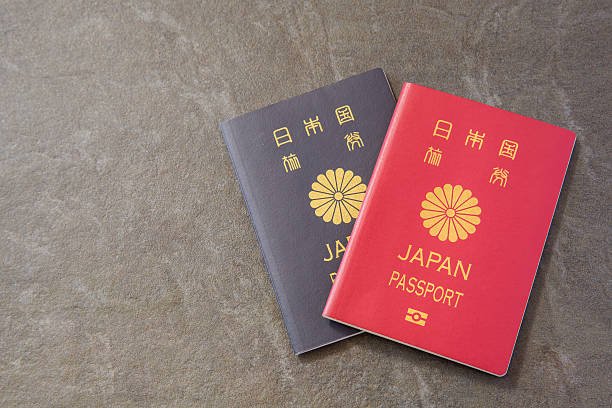
Visa Application Process
After receiving a job offer, the visa process begins.
Step 1: Employer Applies for Certificate of Eligibility (COE)
The employer submits documentation to Japanese immigration authorities.
The Certificate of Eligibility confirms that the applicant meets immigration requirements.
Step 2: Receive Certificate of Eligibility
Once approved, the employer sends the COE to the applicant.
Step 3: Prepare Visa Documents
Applicants generally need:
- Valid passport
- Visa application form
- Passport photographs
- Certificate of Eligibility
- Employment contract
- Educational certificates
Step 4: Submit Visa Application
Applications are submitted through the Japanese embassy or consulate in the applicant’s country.
Step 5: Attend Interview (If Required)
Some applicants may be invited for interviews.
Step 6: Receive Visa Approval
Successful applicants receive their visas and can travel to Japan.
Documents Commonly Required
Applicants should prepare:
Passport
Valid passport with sufficient validity period.
Educational Certificates
Diplomas, degrees, and transcripts.
Employment Contract
Official job offer from the employer.
Passport Photographs
According to embassy specifications.
Certificate of Eligibility
Provided by the sponsoring employer.
Proof of Experience
Employment references and recommendation letters.
Receptionist Salary Expectations in Japan
Several factors influence salaries.
These include:
- Experience
- Language skills
- Industry
- Location
- Employer type
Entry-Level Receptionists
¥2,500,000 – ¥3,200,000 annually
Experienced Receptionists
¥3,500,000 – ¥5,000,000 annually
International Hotel Receptionists
¥3,000,000 – ¥5,500,000 annually
Corporate Receptionists
¥3,200,000 – ¥5,500,000 annually
Best Cities for Receptionist Jobs
Tokyo
Japan’s largest employment market.
Advantages
- International companies
- Hotels
- Tourism businesses
- Higher salaries
Osaka
Major commercial and tourism hub.
Yokohama
Strong demand for administrative professionals.
Kyoto
Popular tourism destination.
Hotels frequently recruit multilingual staff.
Fukuoka
Growing business environment with lower living costs.
Challenges Africans May Face
Although opportunities exist, applicants should be prepared for certain challenges.
Language Barrier
Limited Japanese skills can restrict opportunities.
Cultural Differences
Japanese workplace culture may differ significantly from African work environments.
Competition
Popular positions attract numerous applicants.
Cost of Living
Major cities such as Tokyo can be expensive.
However, preparation and adaptability can help workers succeed.
Tips for Success
Learn Japanese Early
Language proficiency greatly improves employability.
Gain Customer Service Experience
Relevant experience makes your application stronger.
Develop Professional Communication Skills
Receptionists must interact confidently with customers.
Research Employers Carefully
Target organizations with international operations.
Prepare Financially
Relocation expenses can be substantial.
Maintain Professionalism
Japanese employers place great importance on punctuality and professionalism.
Can Receptionist Jobs Lead to Long-Term Residence?
In many cases, yes.
Workers who maintain legal employment and satisfy immigration requirements may become eligible for visa renewals and long-term residency pathways.
Furthermore, career advancement into administrative and management positions can strengthen long-term immigration prospects.
Conclusion
Receptionist jobs in Japan offer exciting opportunities for Africans seeking international work experience, competitive salaries, and a pathway to living in one of Asia’s most advanced countries. As Japan continues to attract global businesses, international students, and tourists, demand for multilingual customer service professionals continues to grow.
Whether you aspire to work in hotels, corporate offices, educational institutions, healthcare facilities, or tourism organizations, receptionist positions can provide a solid foundation for building a successful career in Japan.
Moreover, employer sponsorship opportunities, structured visa processes, strong labour protections, and opportunities for career growth make Japan an increasingly attractive destination for African job seekers.
By improving your language skills, gaining relevant experience, securing employer sponsorship, and following the correct visa application process, you can significantly increase your chances of successfully relocating and building a rewarding future in Japan.